+ WHO?
Maurice Benayoun (MoBen)
Partner
+ WHAT?
A research-driven installation that reimagines electric-vehicle silence as a space for creative, real-time interaction between driver, machine, and urban environment.
+ HOW?
Driving data and environmental inputs are transformed into real-time sound, forming a safe, expressive acoustic layer that reconnects driver, vehicle, and city.

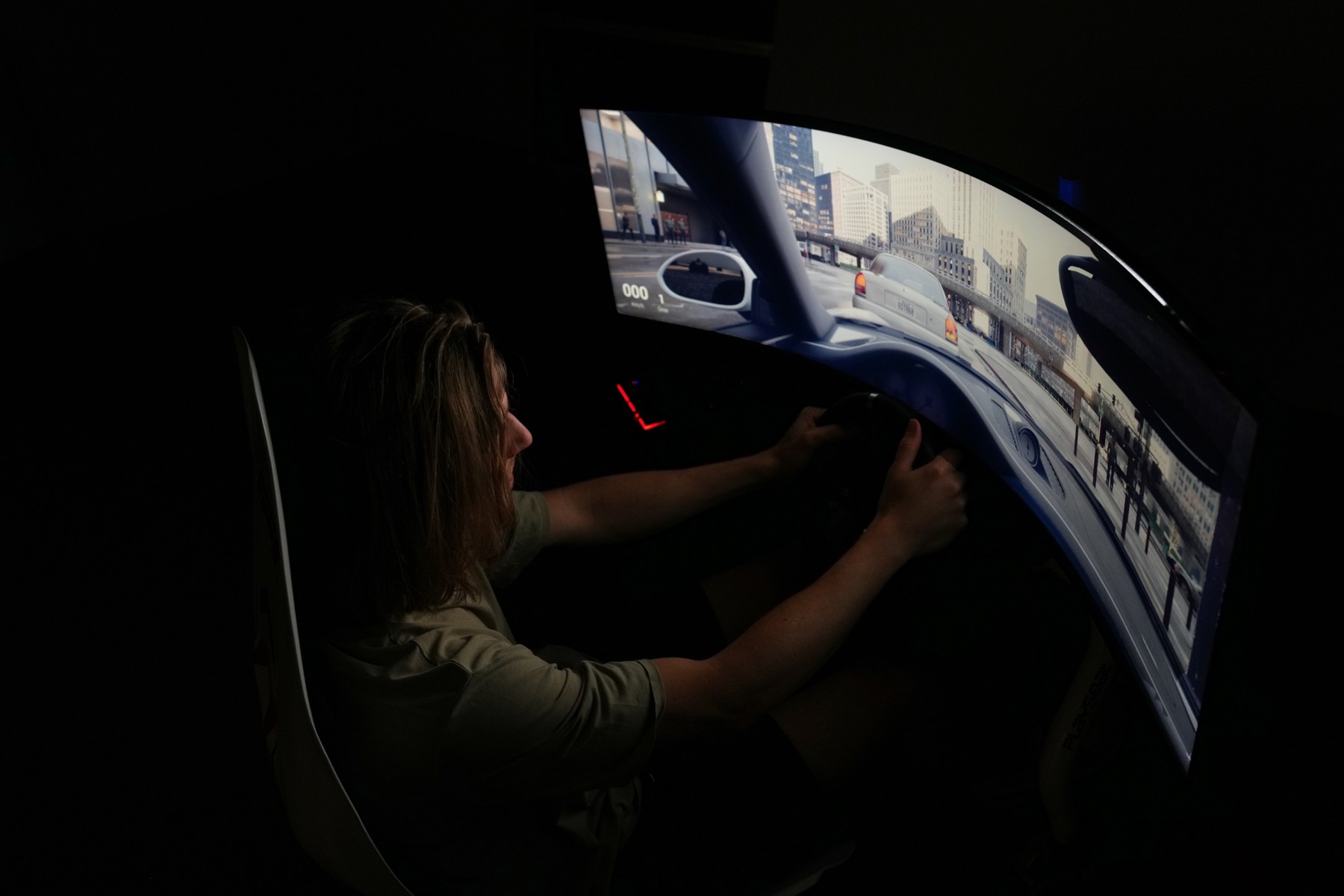
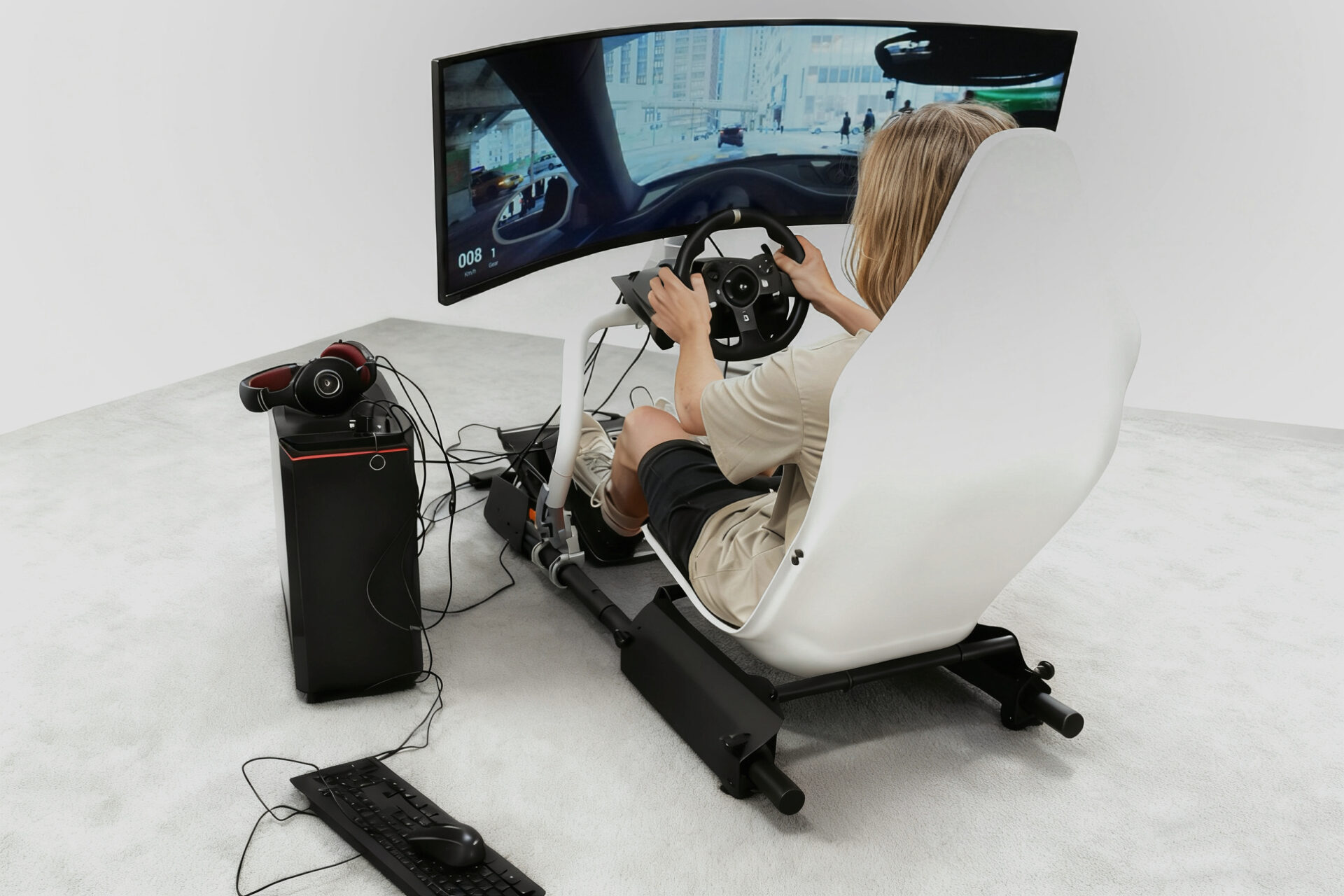
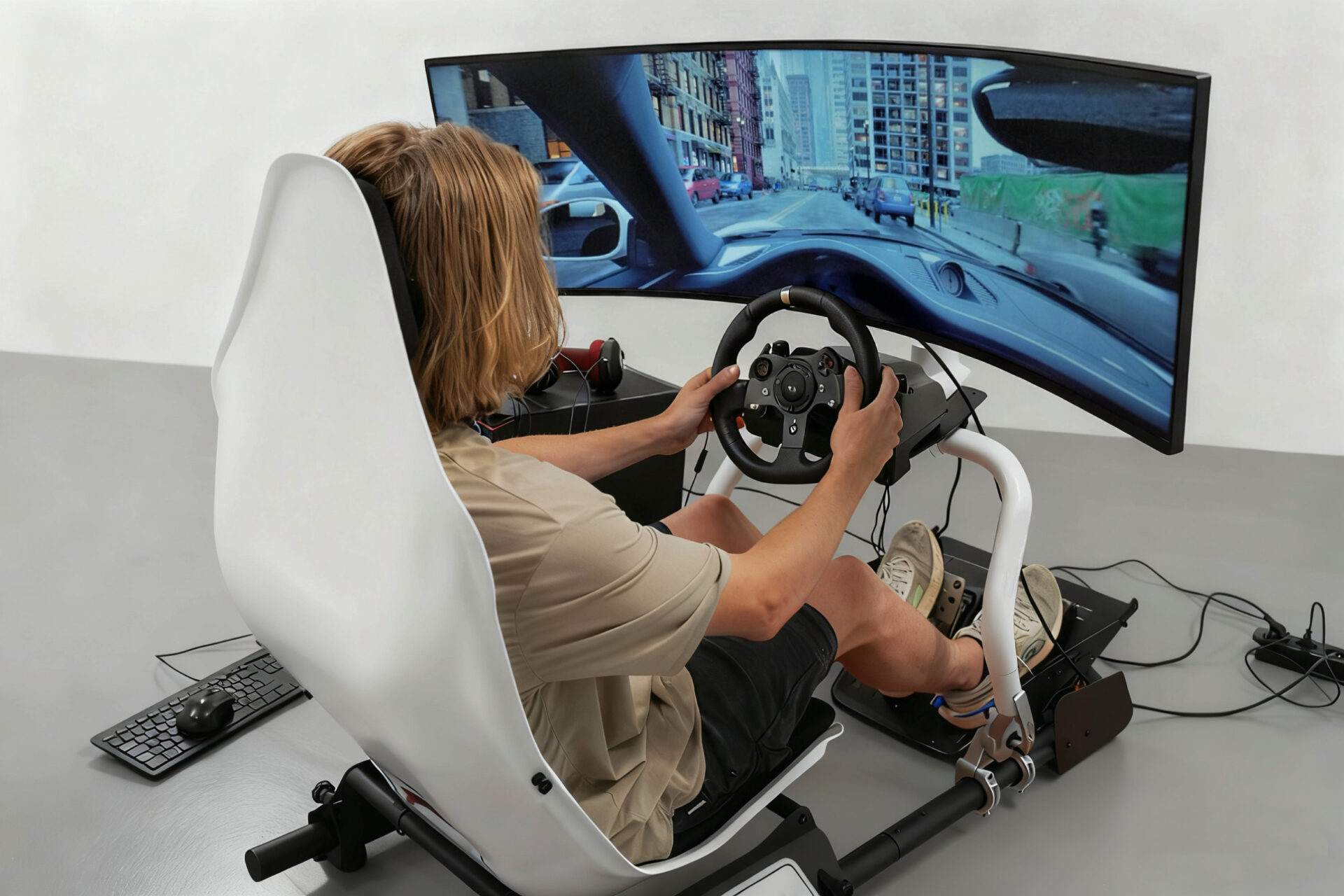
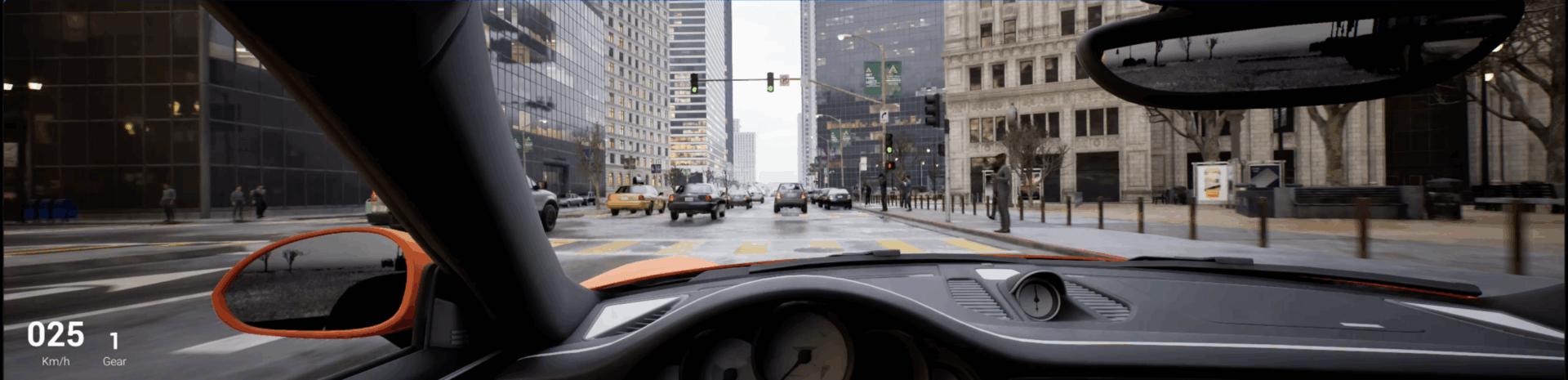
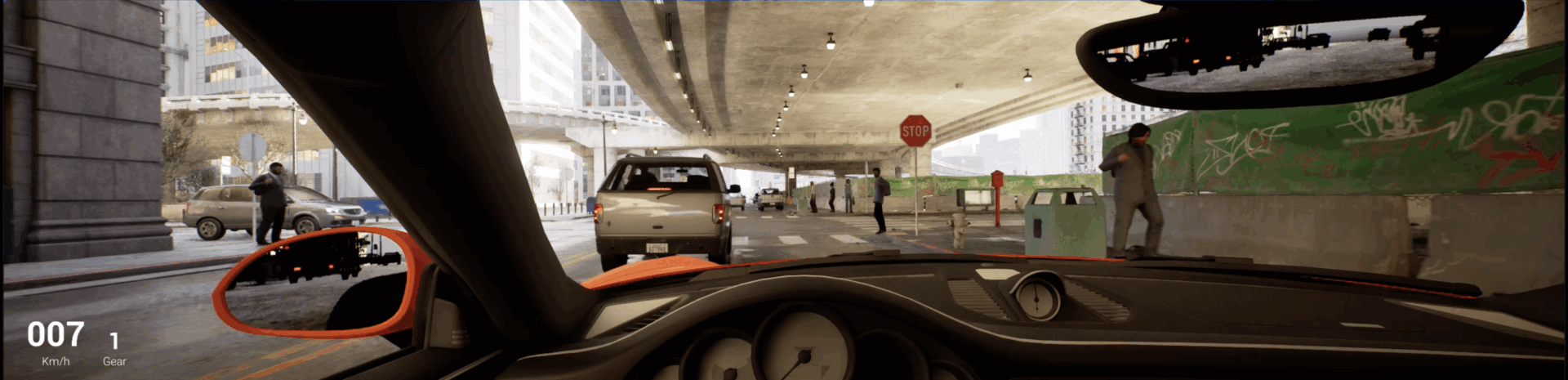
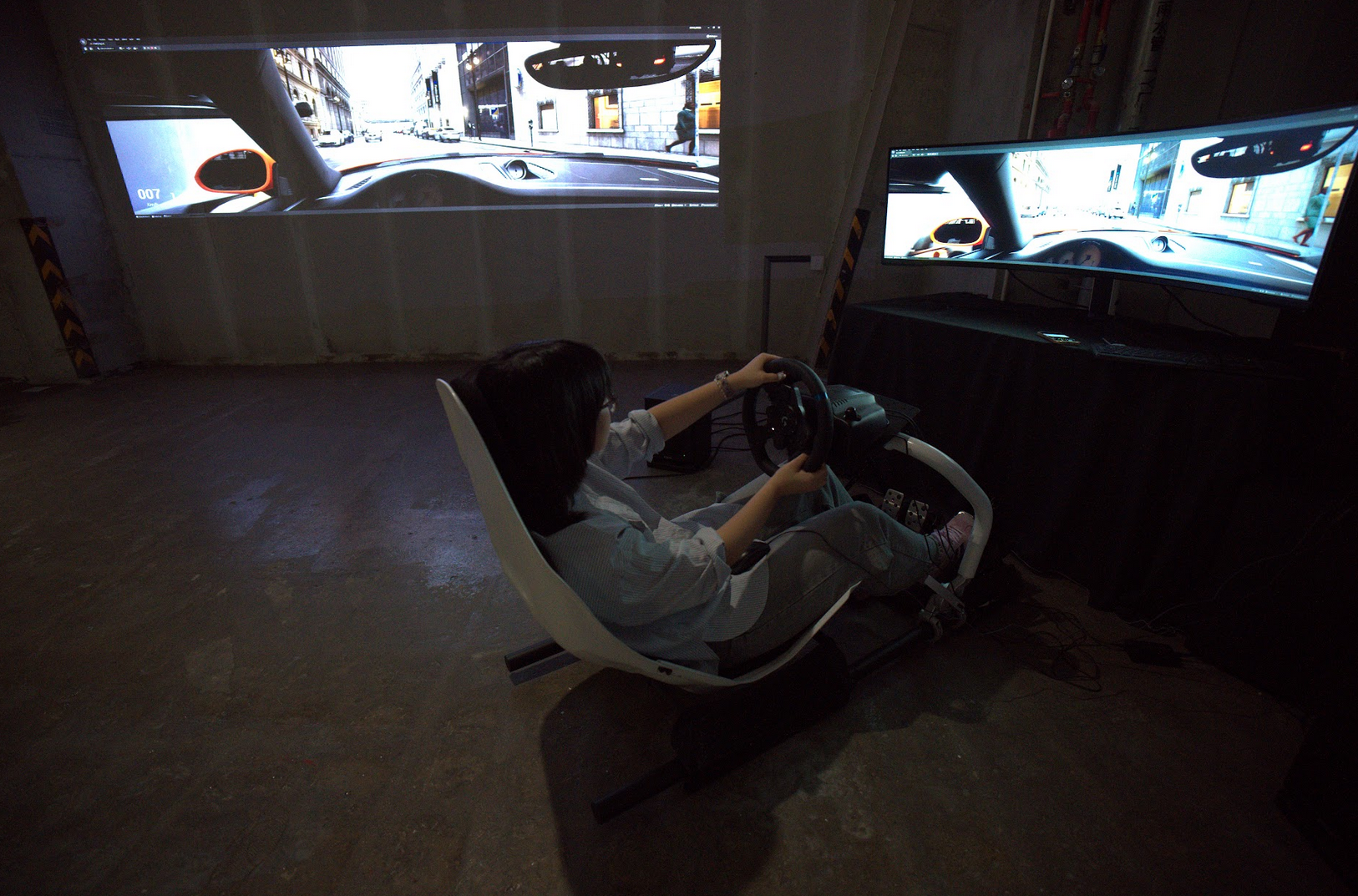
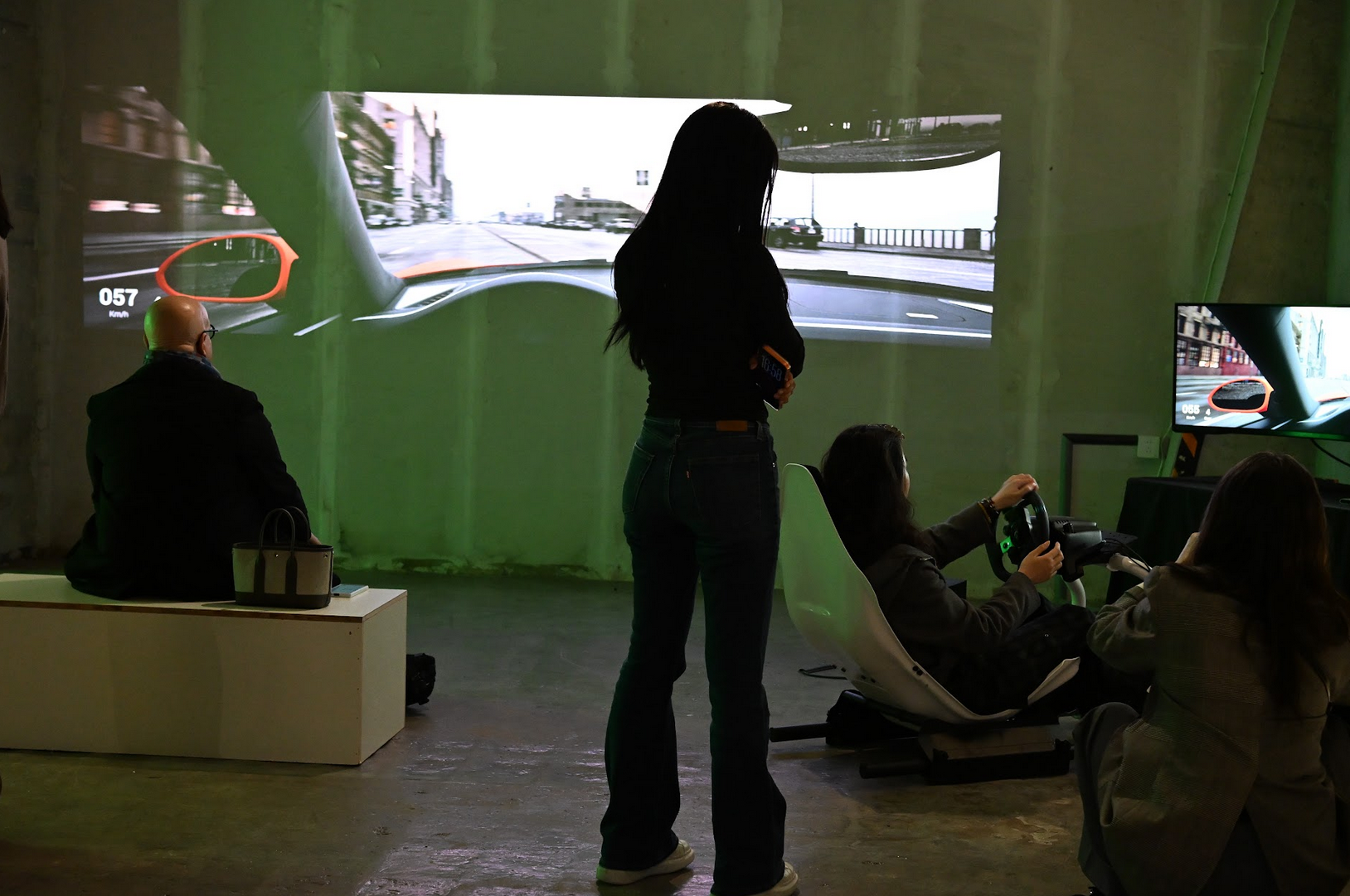
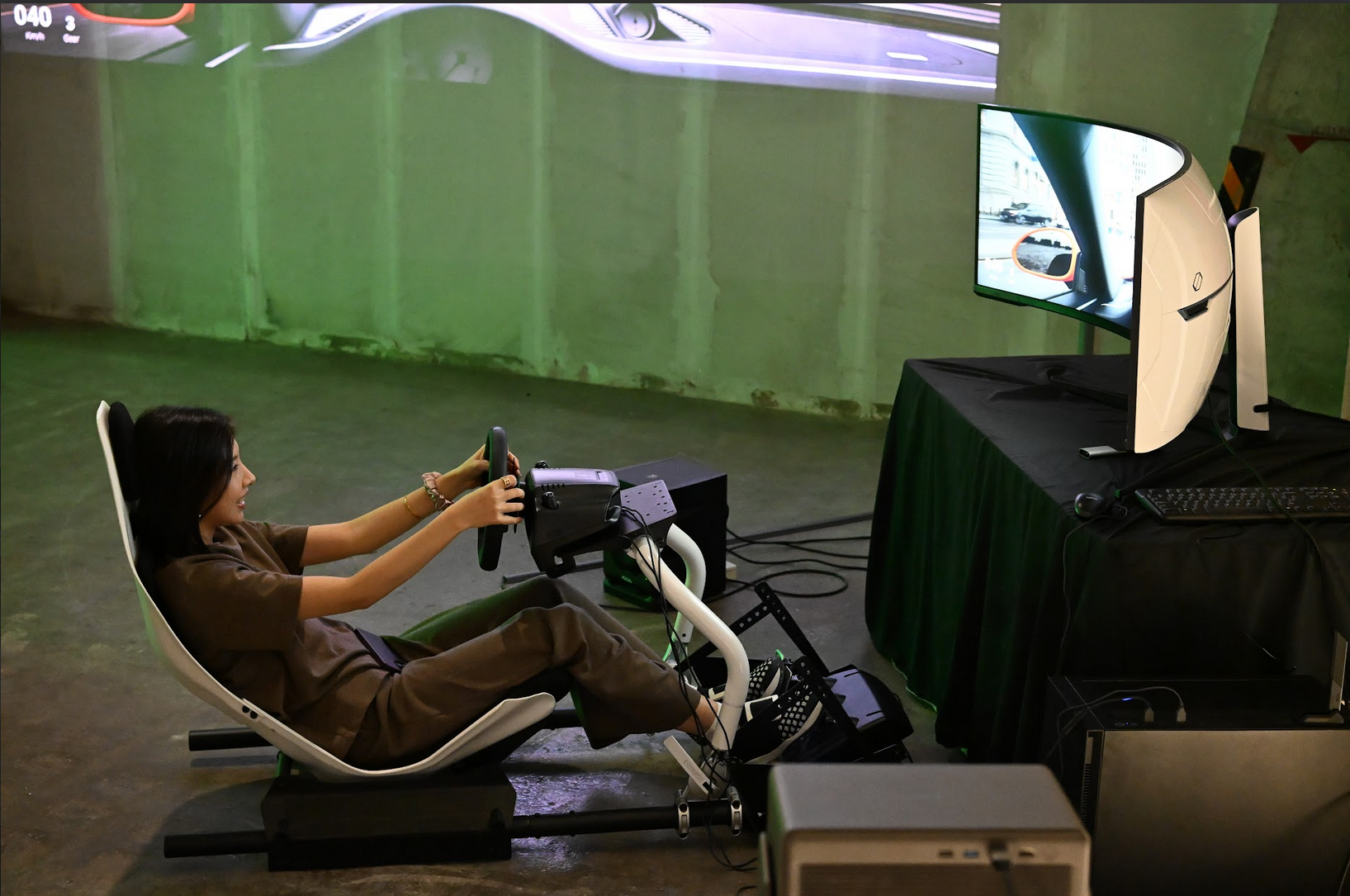
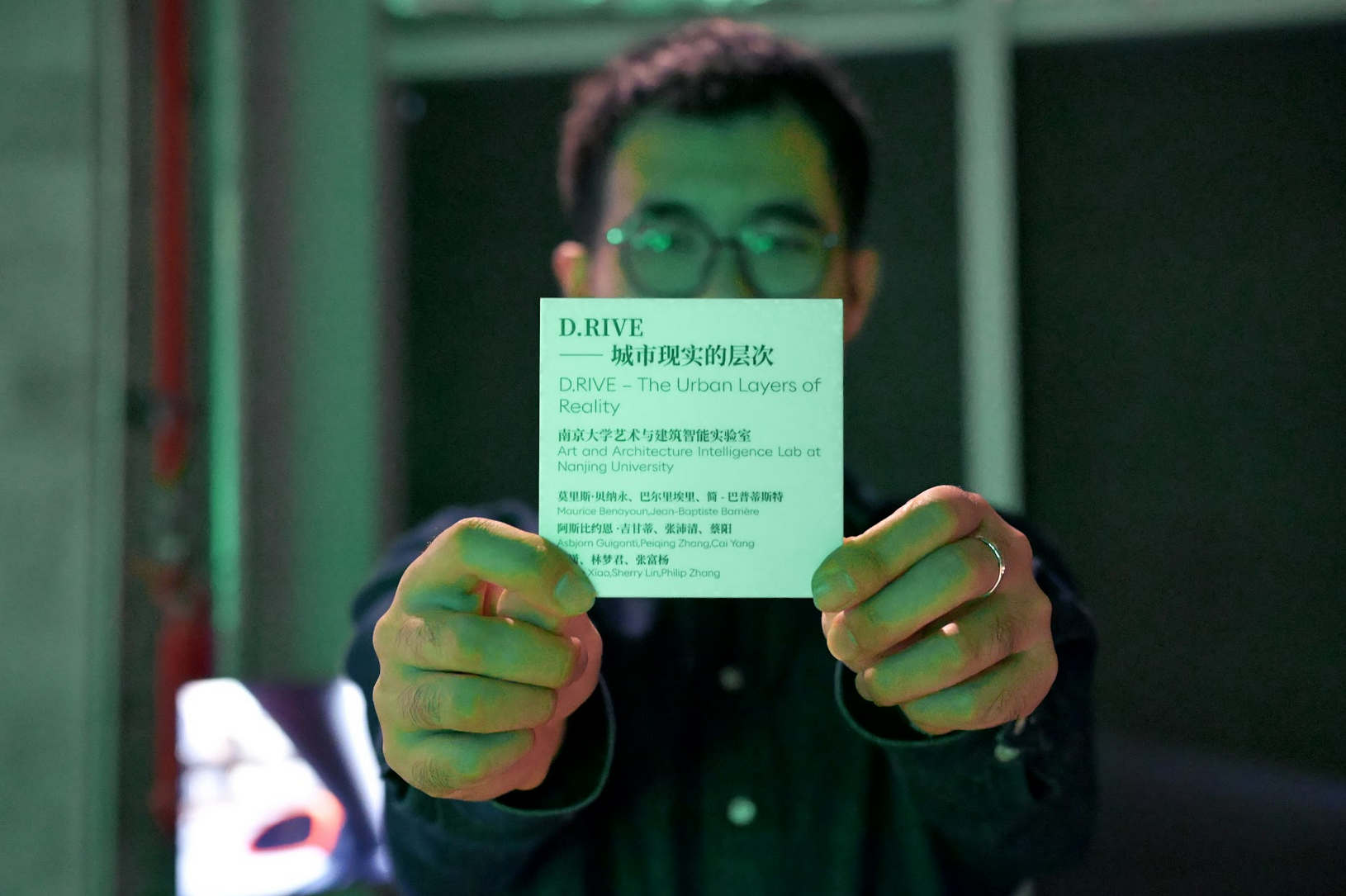

D.RIVE is an interactive installation that examines how the electrification of mobility is reshaping the acoustic and perceptual conditions of the city. Developed by MoBen on the basis of Mobytune technology within the EU ReSilence S+T+Arts collaborative research program, the project departs from a concrete observation of everyday experience:
“Outside, the city becomes silent and the warning signals we are used to, based on the auditory perception of the environment, vehicles, and pedestrians passing by… Inside the vehicle, we lose the feeling of the combustion engine in action. The quality of dialogue between the car, our skin for urban mobility, and the surrounding world is progressively eroded.”
D.RIVE takes this erosion not as a loss to be repaired, but as a space for invention.
Beyond Noise and Silence
The project is framed against two predominant responses to the quietness of electric vehicles.
- Simulation: adding artificial engine sounds and vibrations to reconstitute the familiar acoustic landscape of combustion.
- Substitution: filling the silence with an incessant virtual copilot that informs, warns, entertains, and optimizes.
D.RIVE deliberately rejects both. Instead, it proposes a transformation of the car into an instrument—an interface where movement, friction, and proximity become the raw material for a live composition, continuously negotiated between driver, machine, and city.
Collaborations
– MoBen (Conception and Direction)
– Jean-Baptiste Barrière (Music and Sound Design)
– Asbjorn Guiganti (Engineering and Computer Implementation)
– Art And Architecture Intelligence Lab, Nanjing University School of Arts team: Peiqing Zhang (Interaction and Sound design), Cai Yang and Sherry Lin (Installation Supervision and Logistics), Wang Xiao, Philip Y. Zhang
electric mobility, immersive experience, interactive interface, soundscapes, context-aware audio, urban exploration, embodied interaction, participatory engagement
Mobytune technology: when drivers can play the car like a musical instrument
At the core of the installation lies Mobytune, a software–hardware system that captures a broad range of driving and environmental data and maps them onto sound in real time. Steering angle, acceleration and braking profiles, gear changes where relevant, GPS position, and the relative motion of nearby vehicles and pedestrians are translated into parameters for sound synthesis, rhythm, and spatialization. A slight pressure on the accelerator can thicken a harmonic field; a curve taken slowly can stretch a melodic line; braking can introduce percussive accents. The presence of a cyclist, a cluster of pedestrians, or a passing truck subtly modulates the texture, making the immediate urban milieu audible as a shifting, relational score.
Safety and legibility
A crucial design question is how to layer this sonic fiction onto the acoustic reality of the city without compromising safety or legibility. Mobytune therefore operates as a context-aware mediator. Sound levels and density are continuously adapted to speed, traffic, and urban typology. In dense, complex situations, the musical layer becomes discreet and fine-grained—almost haptic in its precision—so as not to compete with essential auditory cues. In calmer conditions, such as night driving or low-speed movement through residential streets, the system opens up, allowing more expansive and imaginative soundscapes to emerge. The intention is not to mask the world, but to add a navigable, expressive layer that remains clearly distinct from functional warning signals.
Navigating between the urban parallel acoustic strata of reality, from the real to the imaginary
Within this augmented acoustic field, D.RIVE cultivates an experience of multiple, overlapping realities. A truck overtaking the vehicle may be rendered as the passage of a whale in deep water, an elephant moving through dry grass, a spacecraft sliding past in silence, or a fragment of baroque double bass. These translations are not fixed sound effects, but families of possible metaphors that can be tuned, recombined, and interpreted by the driver. One navigates the actual city—with its lanes, junctions, and pedestrians—while simultaneously drifting through an imaginary landscape composed in sound. Everyday mobility becomes a form of situated performance, in which each journey produces a unique, unrepeatable “piece.”
From accepting the combustion engine’s auditory expression to driving the soundscapeThis situated experience opens up new interrogations. If cities are now actively designing for quiet—through low-emission zones, traffic calming, and acoustic regulations—how might they also accommodate elective, expressive forms of sound linked to mobility? D.RIVE suggests that the post-combustion city does not have to be a neutral, flattened sound environment, but can instead host carefully tuned, participatory sonic practices. Streets and infrastructures, in this reading, are not only conduits for flows but territories where new forms of sensory and symbolic exchange can emerge between humans, machines, and their surroundings.
From DRiVING to D.RIVING: the power of la dérive
Conceptually, the project echoes Guy Debord’s notion of la dérive, the drift through urban space guided by affective intensities rather than functional itineraries. The title D.RIVE plays on this resonance: drivers dérivent not only through the material city but between documentary reality and the fictional worlds suggested by Mobytune’s sonic translations. The car ceases to be an isolated capsule and becomes the site of an orchestral dialogue in which bodies, sensors, mechanics, and imaginaries act together. This “orchestral” character is central: D.RIVE is not a solo experience but a research platform that can host collaborations with musicians, sound artists, and theorists to explore alternative mappings and narratives for future mobility.
The car: a subject with a creative skin, perceiving the environment and listening to the driver
From an architectural and urban perspective, D.RIVE treats the vehicle interior as a mobile envelope—a small but intense acoustic space moving through a larger and increasingly regulated urban soundscape. The installation reproduces a full-scale cockpit within the exhibition, coupled to a panoramic visual environment that simulates driving through an archetypal contemporary city. Visitors occupy the driver’s position and discover, often with surprise, how quickly their body adapts to the instrumentality of the interface: how pressing the pedal becomes a way of shaping a chord, how turning the wheel also means sculpting a phrase, how proximity to others can be heard as well as seen.
Scenarios / Tests / Exhibitions
The first public presentation of D.RIVE will take place at the Shenzhen/Hong Kong Bi-City Biennale of Urbanism\Architecture on 31 December 2025. Presented in this context, the installation addresses practitioners and citizens engaged with the rapid transformation of Asian metropolitan regions and, more broadly, with the cultural dimensions of technological transition. Rather than offering a finished product, D.RIVE is introduced as a prototype for thinking and feeling otherwise – an instrument to rehearse what electric mobility might become when the silence of its engines is treated not as a void to be filled, but as a medium in which new forms of urban imagination can resonate.
Lessons learned:
D.RIVE demonstrates that electric mobility can become a medium for creative and participatory exploration. Users quickly discover how their bodies naturally adapt to the interface: pressing the pedal shapes a chord, turning the wheel sculpts a phrase, and the presence of others can be perceived both audibly and visually. Context-aware sound design allows them to navigate the city as a layered, performative acoustic space while ensuring safety and maintaining a clear distinction from functional cues. Conceptual frameworks like la dérive link everyday urban movement to experimental, imaginative sonic narratives.
Artistic, Social, and Technological Contributions
D.RIVE demonstrates that electric mobility can become a medium for real-time creative exploration. It offers artists and designers a new instrument; it familiarizes citizens with the acoustic ecology of post-combustion cities; and it advances adaptive audio technologies that respond to movement, proximity, and context. The project also contributes methodological tools for developing responsive, embodied interfaces in mobility environments.
Adaptability / interoperability:
The Mobytune system can be retuned for different cultural contexts, mobility infrastructures, and artistic frameworks. Its modular architecture supports alternative sound metaphors, experimental mappings, and collaborative research. The cockpit prototype shows how the system can be transferred to exhibitions, labs, and future mobility testing platforms.
Impact
D.RIVE shifts urban mobility from a neutral, engineered silence to a participatory acoustic space. It provides a tangible scenario for how cities can integrate expressive, context-aware sound practices without compromising safety. The project offers a model for designing future urban sound policies, mobility experiences, and public engagement formats that treat sound as a shared cultural resource.
Website